How solar installation worksFrom first call
to power-on.
Here's what to expect when you go solar with Fidato. Most home projects take 6 to 12 weeks from signed proposal to switch-on, depending on permits and your utility.
Free assessment
We look at your roof's size, direction and shading, and review your last twelve months of electricity bills. Most assessments start with satellite imagery; we'll visit in person when we need a closer look.
Design and proposal
You get a written proposal you can actually read:
- Panel layout and system size
- Expected yearly production and savings
- One fixed price and the payback timeline
- Incentives and programs available at your address
Permits and approvals
Once you sign, we apply for building permits and your utility's connection approval, and file any incentive paperwork. This is usually the longest step, and we keep you updated along the way.
Installation
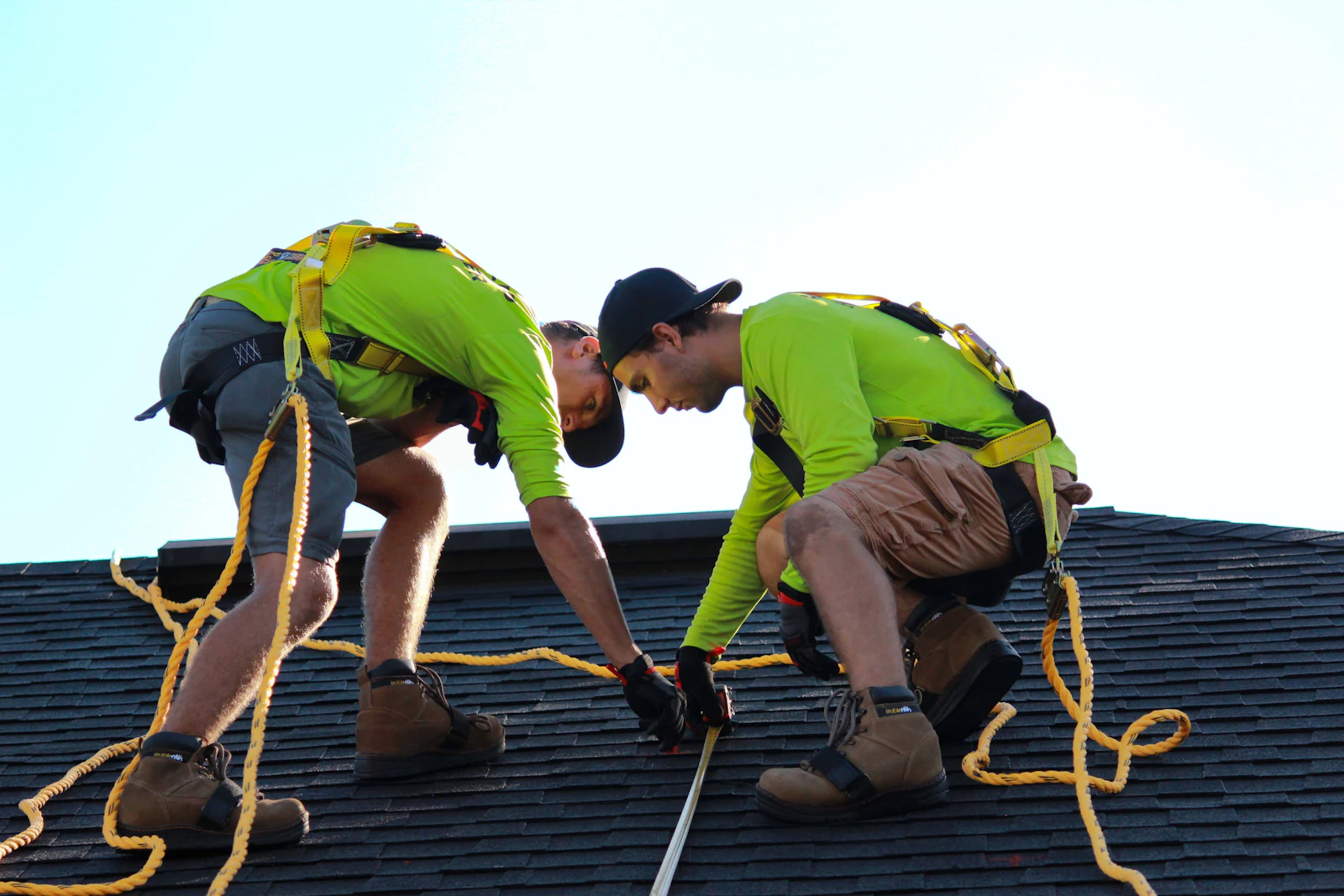
Most home installations take one to three days. Roof mounts are flashed and sealed, wiring is run neatly, and the site is left clean.
Inspection and switch-on
After the final inspection and utility connection, we switch your system on, set up monitoring on your phone, and walk you through how it all works.
Does solar really work in Canadian winters?
Yes. Panels produce less in December than in June, but cold temperatures improve their efficiency, and long summer days more than make up for short winter ones. What matters is how much your system produces over the whole year. Read more in our guide to solar in Canada.
What happens when snow covers the panels?
Production pauses until the snow clears, which usually happens within a few days on tilted panels once the sun comes out. Your system's yearly estimate already accounts for snowy weeks, so there's no need to climb up and clear it.
How much does a solar system cost?
It depends on your roof, your energy use and the system size. Your proposal gives you one fixed price, along with the expected savings and payback, so you can decide with real numbers.
Are there rebates or incentives?
Programs vary by province and utility, and they change over time. We check what's available at your address when we prepare your proposal and help with the paperwork.
What is net metering?
When your panels make more electricity than you're using, the extra goes to the grid and your utility credits you for it. Those credits help cover the electricity you use at night and in winter. Most provinces offer net metering or a similar program.
Will installing panels damage my roof?
No. Mounts are attached to the roof structure and properly flashed and sealed to keep water out. If your roof is near the end of its life, we'll recommend replacing it before installation.
How long do solar panels last?
Quality panels typically come with 25-year performance warranties and keep producing well beyond that, often for 30 years or more.
Do the panels need maintenance?
Very little. Rain and snow keep them reasonably clean. With monitoring on your phone you can see that everything is producing as expected.
How long does it take for solar to pay for itself?
It depends on your electricity use, your utility's rates, your roof and the incentives available where you live. Your proposal shows an estimated payback period for your specific property, so you can judge the investment with real numbers.
Can solar panels go on a metal or flat roof?
Yes. Metal roofs are often well suited to solar, and flat roofs can use tilted racking to angle the panels toward the sun. We'll recommend the right mounting system for your roof.
Do I need a permit to install solar panels?
In most areas you'll need a building or electrical permit, plus approval from your utility to connect to the grid. We prepare and file those applications for you.
Do I need to be home during installation?
Not for most of it. We'll need access to your electrical panel at certain points, and we'll walk you through your system once it's switched on.
Ready for step one?
The assessment is free, and there's no obligation.